
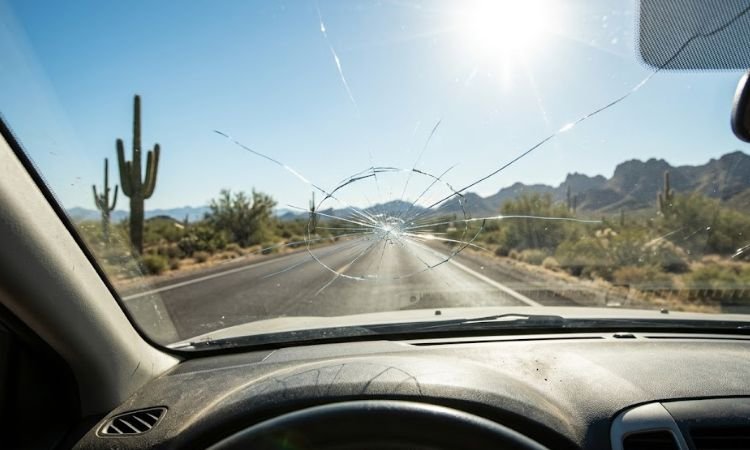
The Science of Thermal Expansion and Your Windshield
To understand why windshields fail in Arizona, you have to understand thermal expansion. Most objects expand when they get hot and contract when they cool down. Your windshield is a “sandwich” of two layers of glass with a thin layer of polyvinyl butyral (PVB) in the middle.
In the heat of a Scottsdale summer, the glass layers expand. If your car is sitting in the sun at 110°F, the surface temperature of the glass can easily exceed 150°F. When you jump in the car and blast the air conditioning, the interior layer of glass cools rapidly while the exterior layer remains scorching. This creates “thermal shock,” leading to stress cracks that can spread across your entire field of vision in a matter of minutes.
If you already have a small chip, this expansion and contraction act like a wedge, forcing the crack to grow. This is why Windshield Repair in Scottsdale is a race against time during the summer months.
Top Causes of Glass Damage in Arizona
1. The “Sun Gun” Effect: Intense UV Exposure
Arizona receives some of the highest levels of UV radiation in the United States. Over time, these rays break down the chemical bonds in the PVB interlayer of your windshield. This can lead to a cloudy appearance or a reduction in the glass’s ability to withstand impacts. When the structural integrity is compromised, even a tiny pebble from a construction truck on Loop 101 can cause a massive shatter.
2. Extreme Temperature Fluctuations
It’s not just the heat; it’s the swing. In the desert, we can see temperature drops of 30 degrees or more once the sun goes down. This constant cycle of expanding during the day and contracting at night fatigues the glass. If you want to learn more about this specific phenomenon, check out our article on how extreme weather impacts windshield glass.
3. Monsoon Season Debris
When the dust storms (haboobs) roll through Scottsdale, they bring more than just low visibility. High winds pick up sand, gravel, and organic debris that sandblasts your windshield. This creates “pitting”—thousands of tiny microscopic craters that catch the glare of the sun and make it nearly impossible to see during sunset.
4. Pressure Changes and Improper Installation
Heat increases the pressure inside your vehicle. If a windshield wasn’t installed with high-quality urethane adhesive or wasn’t calibrated correctly, the heat can cause the seal to fail. This is why choosing an experienced shop for auto windshield replacement in Scottsdale is vital. A poor seal leads to air leaks, water leaks, and a higher risk of the glass popping out during an accident.
Why Small Chips Become Big Problems in Summer
We often hear customers say, “That chip has been there for months; why did it suddenly crack across the whole window?”
The answer is usually a combination of a bump in the road and a hot afternoon. When the glass is hot, it is under high tension. A small rock chip disrupts the uniform strength of the glass. The moment you hit a pothole or even shut your car door too hard, that tension is released, and the chip “runs.”
In Arizona, a “wait and see” approach to glass damage is the most expensive path you can take. A simple repair is quick and often covered by insurance, but a full replacement involves more time and ADAS (Advanced Driver Assistance Systems) calibration.
Protecting Your Auto Glass from the Arizona Sun
While you can’t change the weather, you can change how you protect your vehicle. Here are a few pro tips from our team at Cherry Glass Works:
- Park in the Shade: It sounds simple, but keeping your car in a garage or under a carport significantly reduces thermal stress.
- Crack the Windows: Leaving your side windows open about a quarter inch allows hot air to escape, reducing the internal pressure and the temperature differential on the glass.
- Avoid Direct AC on the Glass: When you start your car, don’t point the vents directly at the windshield. Let the cabin cool down gradually to avoid thermal shock.
- Keep it Clean: Dirt and grime can hide small chips. Using proper cleaning techniques also prevents long-term damage. If you struggle with minerals in our desert water, read our guide on how to remove water spots from auto glass.
The Importance of Professional Calibration
Modern vehicles are equipped with cameras and sensors mounted behind the windshield. These systems control your lane departure warnings and emergency braking. The Arizona heat can sometimes affect the sensitivity of these electronics. When you undergo a replacement, ensuring these systems are recalibrated is non-negotiable for your safety.
Many drivers wonder about the logistics of this process. If you are curious about the timeline, we have broken down how long windshield replacement takes so you can plan your day accordingly.
Maintenance and Care
Once you have a new windshield, the work isn’t over. The first 24 to 48 hours are critical for the adhesive to cure properly, especially in high temperatures. We always provide our customers with a detailed list of windshield replacement aftercare instructions to ensure the seal remains airtight and waterproof.
Additionally, don’t ignore your visibility during the rare rainy days or humid mornings. Knowing how to defog a windshield efficiently can prevent accidents caused by poor visibility.
Summary: Why Scottsdale Drivers Choose Cherry Glass Works
With over 15 years of experience, we understand that auto glass in Arizona isn’t just about aesthetics; it’s about safety. Our team uses industry-leading resins for repairs and OEM-quality glass for replacements. We understand the specific stressors that our desert environment places on your vehicle.
Whether you have a small “star” break from a rock on the Pima Freeway or a massive “spiderweb” crack from the heat, we are here to help. We pride ourselves on transparent pricing, expert craftsmanship, and a commitment to keeping the Scottsdale community safe on the road.
Frequently Asked Questions
1. Why did my windshield crack overnight when it was parked?
This is usually due to “stress cracks.” During the day, the glass expands significantly in the heat. As the desert air cools down at night, the glass contracts. If there was a microscopic flaw or a tiny chip you couldn’t see, the tension of the cooling glass can cause it to snap and crack without any physical impact.
2. Can I wash my car immediately after a windshield repair in the heat?
We recommend waiting at least 24 hours before a car wash, especially a high-pressure automatic one. The heat helps the resin cure, but the pressure and the sudden cold water can disrupt the repair before it has fully bonded with the original glass.
3. Does Arizona insurance cover windshield replacement?
Many Arizona insurance policies include “full glass coverage” with a $0 deductible. This is because windshields are considered a vital safety component in our state. Check with your provider; often, getting your glass fixed or replaced won’t even increase your premium.
4. Is it safe to drive with a cracked windshield in Scottsdale?
It is not recommended. Aside from the risk of the crack spreading and blocking your vision, the windshield provides up to 60% of the structural integrity of your vehicle’s roof in a rollover accident. In the Arizona heat, a crack can grow several inches in a single afternoon, making the vehicle unsafe very quickly.
5. Why does my windshield look “pitted” when driving into the sun?
This is common in Arizona due to blowing sand and dust. These tiny pits act like prisms, catching the sunlight and creating a blinding glare. While small chips can be repaired, widespread pitting usually requires a full windshield replacement to restore clear visibility.
6. Does the heat affect the ADAS cameras in my windshield?
Indirectly, yes. Extreme heat can stress the brackets that hold cameras in place. More importantly, if the glass expands or shifts due to poor installation or heat stress, the cameras may become misaligned. Always ensure your glass technician performs a digital calibration after a replacement.