
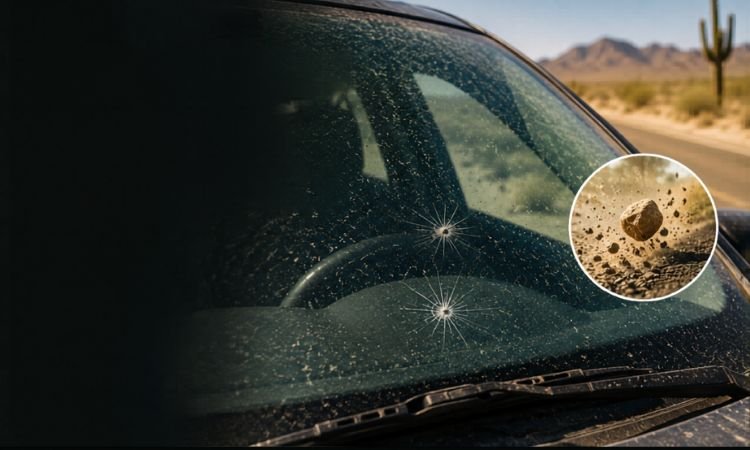
Why Your Car Windshield Is More Vulnerable Than You Think
Modern windshields are made from laminated safety glass. This glass contains two layers bonded together with a plastic layer in the middle. The purpose of this design is to prevent the windshield from shattering during an accident.
Although windshields are strong, they constantly face stress from the environment. Every drive exposes the glass to:
- Dust particles
- Sand
- Loose gravel
- Road debris
- Extreme temperatures
- Wind pressure
- Small rocks
Over time, repeated exposure weakens the surface of the windshield. Even tiny impacts can create weak points that eventually turn into visible damage.
This process happens slowly, which is why many drivers do not notice the problem until the crack becomes severe.
How Dust Slowly Damages Your Windshield
Most people underestimate how harmful dust can be to auto glass. Dust may seem harmless because the particles are small, but many dust particles contain tiny minerals, sand, and debris that are abrasive.
When these particles repeatedly move across your windshield, they slowly wear down the glass surface.
This commonly happens when:Wind blows dust across the windshield
- Windshield wipers drag dust across dry glass
- Drivers wipe dust away with dry towels
- Sandstorms hit the vehicle at high speed
Over time, this creates small scratches across the surface of the windshield.
At first, these scratches may not be noticeable. However, they become more visible when sunlight or headlights hit the glass. Drivers often notice glare problems during sunrise, sunset, or nighttime driving.
These scratches also weaken the outer layer of the windshield, making it more vulnerable to chips and cracks.
Windshield Wipers Often Make the Problem Worse
Many drivers unknowingly damage their windshields every day by using their wipers incorrectly.
When your windshield is covered with dust or sand, turning on dry windshield wipers drags abrasive particles across the glass. This creates tiny scratches with every movement.
Over time, repeated scratching causes permanent damage.
Signs of wiper-related windshield damage include:
- Fine lines across the windshield
- Hazy appearance in sunlight
- Reduced visibility at night
- Uneven cleaning patterns
To prevent this type of damage:
- Always use windshield washer fluid before using the wipers
- Replace old or damaged wiper blades regularly
- Clean your windshield frequently
- Avoid using wipers on extremely dusty glass
Simple maintenance habits can significantly extend the life of your windshield.
Road Debris Is One of the Biggest Causes of Windshield Chips
Road debris is one of the leading causes of auto glass damage in Arizona.
Loose gravel, construction debris, rocks, and other materials often get thrown into the air by nearby vehicles. When these objects hit your windshield at highway speeds, they create chips instantly.
Even a small rock can create enough force to damage the glass.
Arizona highways are especially dangerous because of ongoing construction and dry road conditions. Gravel often remains loose on roads, increasing the chances of impact damage.
The most common sources of windshield chips include:
- Construction trucks
- Gravel haulers
- Loose road material
- Highway debris
- Tire blowout fragments
Drivers often hear a loud impact sound but ignore it if the damage looks small. Unfortunately, small chips rarely stay small in Arizona’s heat.
How Heat Makes Windshield Damage Worse
Arizona heat is one of the biggest reasons windshield damage spreads so quickly.
When your vehicle sits in direct sunlight, the windshield absorbs intense heat. The glass expands because of the temperature increase.
Then drivers enter the vehicle and immediately turn on the cold air conditioning. The inside of the windshield cools quickly while the outside remains extremely hot.
This sudden temperature difference creates stress inside the glass.
If the windshield already has a chip or scratch, the pressure causes the damage to spread rapidly.
In many cases, a tiny chip can turn into a long crack within hours.
This is why windshield repair should never be delayed in Arizona.
Dust Storms Create Serious Auto Glass Problems
Arizona is known for powerful dust storms, also called haboobs. These storms carry massive amounts of sand, dirt, and debris through the air at high speeds.
When these particles hit your windshield repeatedly, they slowly erode the glass surface.
Dust storms can cause:
- Surface scratches
- Small chips
- Reduced visibility
- Permanent glass wear
- Hazy windshield appearance
Drivers who frequently travel during dust storms often notice their windshields becoming cloudy over time. This happens because the outer layer of the glass becomes worn down from repeated sand impact.
Construction Zones Increase Windshield Damage Risk
Construction zones are another major cause of windshield damage in Arizona.
Road construction projects leave loose gravel and debris scattered across highways and streets. Trucks transporting materials often release small rocks into traffic.
Driving too closely behind these vehicles greatly increases the risk of windshield chips.
To reduce your chances of damage:
- Maintain a safe following distance
- Avoid driving directly behind gravel trucks
- Slow down in construction areas
- Change lanes when possible
These simple precautions can help protect your windshield from flying debris.
Improper Cleaning Methods Can Scratch Auto Glass
Many drivers accidentally damage their windshields while trying to clean them.
Using rough towels or wiping dust away without water creates friction on the glass surface. This drags abrasive particles across the windshield and creates scratches.
Common cleaning mistakes include:
- Using paper towels
- Cleaning dry dust without washer fluid
- Using dirty rags
- Applying harsh chemicals
- Scrubbing aggressively
The safest cleaning method is to use:
- Automotive glass cleaner
- Soft microfiber cloths
- Plenty of water or washer fluid
Gentle cleaning helps preserve the glass surface and improve visibility.
Why Small Chips Should Never Be Ignored
A small windshield chip may seem minor, but it can quickly become a serious safety problem.
Once the surface of the glass is damaged, the windshield becomes weaker. Daily driving vibrations, potholes, road bumps, and temperature changes continue to stress the damaged area.
Over time, the chip expands into a crack. Cracks reduce visibility and weaken the structural integrity of the windshield.
A damaged windshield can also affect:
- Airbag performance
- Roof support during accidents
- Passenger safety
- Overall driving visibility
Repairing chips early is always safer and less expensive than replacing the entire windshield later.
Signs Your Windshield Needs Professional Attention
Sometimes windshield damage is difficult to notice at first. However, there are several warning signs drivers should watch for.
Common signs include:
- Visible chips or cracks
- Hazy or cloudy glass
- Deep scratches
- Light glare during nighttime driving
- Distorted visibility
- Cracks spreading across the windshield
If you notice any of these problems, it is important to have your windshield inspected by professionals.
How to Protect Your Car Windshield from Dust and Debris
Although Arizona roads are tough on auto glass, there are several ways to reduce damage and extend the life of your windshield.
Helpful prevention tips include:
- Park in covered or shaded areas whenever possible
- Replace windshield wipers regularly
- Avoid using dry wipers on dusty glass
- Keep a safe distance from trucks carrying debris
- Clean your windshield properly using microfiber cloths
- Repair chips immediately before they spread
- Avoid sudden temperature changes inside the vehicle
These habits can save you money and improve driving safety.
Professional Windshield Repair and Replacement
Not every windshield requires full replacement. Small chips and minor cracks can often be repaired successfully if treated early.
However, replacement becomes necessary when:
- Cracks are too large
- Damage blocks the driver’s line of sight
- Multiple chips are present
- The windshield structure is compromised
Professional technicians can inspect the damage and recommend the safest option.
Trust Cherry Glass Works for Expert Auto Glass Service
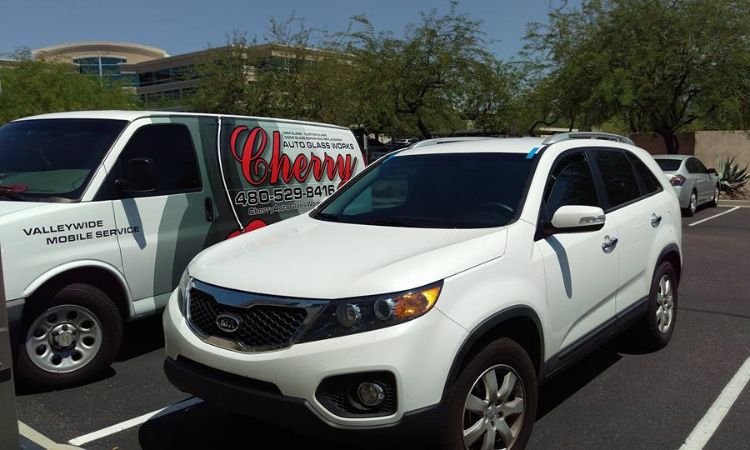
If your windshield has been damaged by dust, debris, rocks, or Arizona heat, Cherry Glass Works is ready to help. We proudly serve drivers throughout Scottsdale with professional windshield repair and windshield replacement services designed for Arizona conditions.
Cherry Glass Works provides expert windshield repair, windshield replacement, chip repair, crack repair, and mobile auto glass services in Scottsdale. Our experienced technicians use high quality materials to keep your vehicle safe and your windshield strong, clear, and durable.