

Water spots on your vehicle’s glass are frustrating. They obstruct visibility and make your car look neglected. After running my auto glass repair shop for over 10 years, I’ve seen countless cases. These stubborn marks appear on windshields, side windows, and rear windows alike. The good news? You can remove these blemishes safely at home. This comprehensive guide shares proven methods that actually work.
Understanding What Causes Water Spots on Windshields
Hard water contains dissolved minerals like calcium and magnesium. When water evaporates, these minerals remain on the glass surface. The result is unsightly hard water stains on auto glass.
Rain, sprinklers, and car washes all contribute to this problem. Mineral deposits accumulate over time, creating visible spots. Some spots appear as cloudy white circles or streaks.
Calcium buildup becomes more severe in areas with hard water. The longer you wait, the harder removal becomes. Some spots can even cause surface etching on glass.
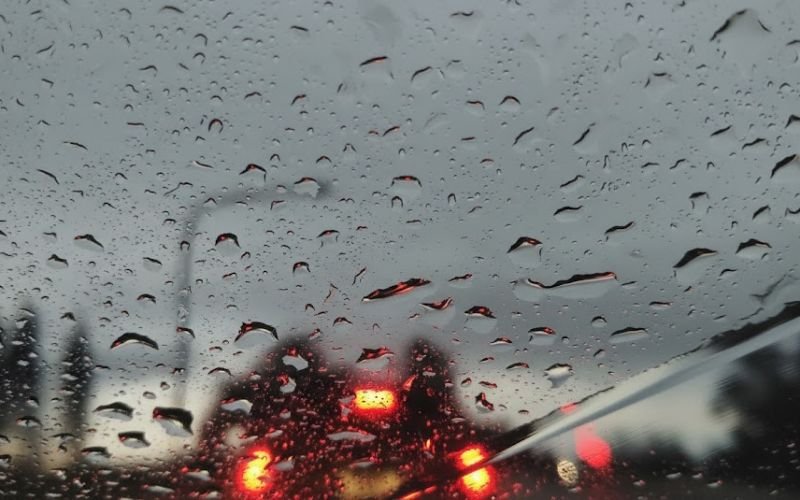
Types of Water Stains You’ll Encounter
Light Surface Spots
Fresh water spots sit on top of the glass. These haven’t penetrated the surface yet. They’re the easiest to remove with basic cleaning methods.
Hard Water Mineral Deposits
These spots have bonded with the glass chemically. They appear as stubborn white or cloudy marks. Standard glass cleaners often fail against these deposits.
Severe Lime Scale Etching
Long-term exposure creates permanent damage to glass. The minerals actually etch into the surface microscopically. These require aggressive treatment or professional intervention.
Essential Supplies for Clean Car Glass Water Spots
Gather these items before starting your cleaning project:
- White vinegar (your acidic cleaning powerhouse)
- Baking soda (gentle abrasive for tough stains)
- Commercial glass cleaner for final touches
- Microfiber cloth (at least three for different stages)
- Clay bar for embedded contaminants
- Distilled water (prevents new mineral deposits)
- Rubbing alcohol for degreasing
- Water spot remover (commercial grade)
- Polishing compound for severe cases
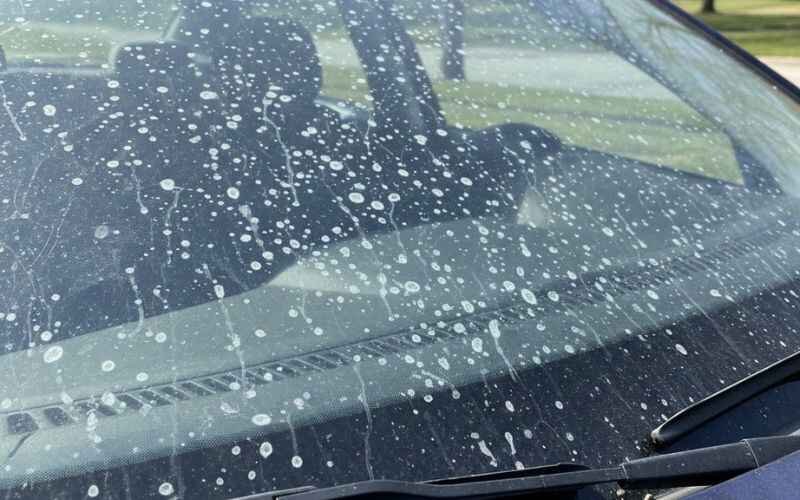
Method 1: The White Vinegar Solution
White vinegar is my go-to recommendation for customers. It’s safe, affordable, and surprisingly effective against water stains from car windows.
Step-by-Step Process
Mix equal parts white vinegar and distilled water. Pour the solution into a spray bottle for easy application.
Spray generously on the affected areas of your windshield. Let it sit for 5-10 minutes to dissolve minerals. The acidity breaks down calcium buildup naturally.
Wipe in circular motions using a clean microfiber cloth. Rinse thoroughly with distilled water afterward. Dry completely with a fresh microfiber towel.
For stubborn spots, apply undiluted vinegar directly. Let it dwell longer before wiping away.
Method 2: Baking Soda Paste Treatment
Baking soda provides gentle mechanical cleaning without scratching glass. This method works excellently for moderate hard water deposits.
Create a thick paste using baking soda and water. Apply it directly to the spotted areas carefully.
Rub gently in circular motions with a damp microfiber cloth. The mild abrasive action lifts stubborn mineral deposits. Rinse thoroughly and dry the glass completely.
Method 3: Commercial Water Spot Remover Products
Professional-grade products offer powerful chemical cleaning capabilities. I recommend these for severe cases in my shop.
Follow the manufacturer’s instructions precisely for best results. Most products require application, dwelling time, then removal. Always test on a small area first.
These removers contain acids that dissolve mineral deposits effectively. They’re stronger than vinegar but require careful handling.
Method 4: Clay Bar Treatment
A clay bar removes embedded contaminants from the glass surface. This technique works when other methods fail partially.
Lubricate the glass with soapy water or clay lubricant. Glide the clay bar gently across the surface. You’ll feel it grab onto rough spots and deposits.
The clay pulls out minerals embedded in the glass. This process prepares the surface for polishing compound application.
Method 5: Glass Polishing for Severe Cases
Glass polishing removes light surface etching from severe water damage. This is an advanced auto glass cleaning tip.
Use a dual-action polisher with cerium oxide compound. Work in small sections with consistent pressure and speed. This mechanical cleaning method actually smooths microscopic imperfections.
Wipe away residue frequently to check your progress. This method requires patience but delivers professional results.
Preventing Future Water Spots on Auto Glass
Prevention saves time and protects your investment long-term.
Apply Hydrophobic Coating
A hydrophobic coating causes water to bead and roll off. This preventative coating protects against new mineral deposits. Reapply every few months for continued protection.
Regular Maintenance Schedule
Wash your car weekly using distilled water for rinsing. Dry immediately with microfiber cloths after washing. Don’t let water air-dry on glass surfaces.
Park Smart
Avoid parking under sprinklers or near water sources. Cover your vehicle during extended storage periods.
When to Seek Professional Help
Some situations require expert intervention from specialists. Deep surface etching may be beyond DIY repair capabilities.
If spots won’t budge after multiple attempts, consult professionals. We offer Mobile Auto Glass Replacement for severely damaged glass. Sometimes replacement is more cost-effective than extensive restoration.
Cracks appearing during cleaning need immediate attention. Our emergency windshield repair services handle urgent situations. We also handle car sunroof repair for overhead glass issues.

Common Mistakes to Avoid
Never use abrasive materials, such as steel wool, on glass. They create permanent scratches that worsen visibility issues. Don’t clean glass in direct sunlight or heat. Products dry too quickly, leaving new streaks and residues.
Avoid ammonia-based cleaners on tinted windows specifically. They can damage window tint films permanently. Don’t apply excessive pressure during polishing or scrubbing. Let the products and techniques do the work.
The Best Car Window Water Stain Remover Approach
Combining methods often yields the best results overall. Start gently with vinegar, escalate to commercial products. Test every product on a small area first. Work in sections rather than tackling everything simultaneously. Patience is crucial for successful DIY water spot removal car. Rush jobs usually require redoing the entire process.
Environmental Considerations
Use eco-friendly products whenever possible for glass cleaning. Vinegar and baking soda are environmentally safe choices. Dispose of chemical cleaners according to local regulations. Don’t let harsh chemicals enter storm drains.
Maintaining Crystal Clear Auto Glass
Regular maintenance prevents severe buildup from ever occurring. Weekly washes with proper drying techniques work wonders. Inspect your windshield regularly for early spot development. Address new spots immediately before they bond permanently. Quality glass care extends the life of your windshield. It also maintains optimal visibility for safer driving.
Final Thoughts on Removing Water Stains from Car Windows
Water spot removal doesn’t always require expensive professional services. With the right products and techniques, you can succeed. Start with mild methods like vinegar before trying aggressive approaches. Protect your investment with regular preventative coating applications.
Clean auto glass enhances your vehicle’s appearance and safety. Take pride in maintaining crystal-clear glass on your car. Remember, some damage requires professional assessment and possible replacement. Don’t hesitate to seek expert help when needed.
Frequently Asked Questions
What causes water spots on auto glass to form?
Water spots form when hard water evaporates on glass surfaces. Minerals like calcium and magnesium remain behind as deposits. These create visible spots that standard washing won’t remove.
Can water spots permanently damage my windshield?
Yes, long-term mineral deposits can etch into glass permanently. This surface damage reduces clarity and may require replacement. Early treatment prevents permanent etching from occurring.
How often should I remove water spots from my car?
Address water spots as soon as you notice them forming. Monthly deep cleaning prevents severe buildup in hard water areas. Weekly maintenance keeps glass spotless between deep treatments.
Is vinegar safe for all auto glass?
White vinegar is safe for standard auto glass surfaces. Avoid using it on aftermarket tinted windows without testing. The acidity won’t damage factory glass when used properly.
What’s the difference between water spots and glass etching?
Water spots sit on the glass surface and can be removed. Etching is permanent damage where minerals corrode the glass. Etching feels rough to the touch even after cleaning.
Can I use regular tap water for rinsing?
Tap water contains minerals that cause new spots to form. Always use distilled water for final rinsing after cleaning. This prevents the problem from recurring immediately.
