

Your windshield faces constant attack from nature’s elements. Extreme weather conditions pose serious risks to your vehicle’s safety. Understanding these dangers helps you maintain better windshield protection. Let’s explore how harsh weather affects windshield glass durability.
The Science Behind Windshield Damage From Severe Weather
Windshield glass is engineered with multiple layers for safety reasons. Modern windshields contain laminated safety glass with polyvinyl butyral layers. This design prevents complete shattering during impacts or accidents. However, extreme weather can compromise these protective layers over time.
Temperature fluctuations create internal stress within the glass structure. When temperatures drop rapidly, glass contracts at varying rates. When temperatures rise suddenly, glass expands unevenly across surfaces. These expansion and contraction cycles weaken the structural integrity gradually.
The thermal shock phenomenon occurs when temperature changes happen too quickly. Driving into freezing rain after warm weather creates internal tension. This stress can cause micro-fractures in the windshield glass. Over time, these small cracks spread and become major problems.

How Temperature Extremes Damage Your Vehicle Glass
Hot weather affects windshield glass differently than cold weather conditions. In summer months, temperatures can exceed 130 degrees Fahrenheit. This intense heat causes glass to expand significantly and rapidly. Sudden cooling, like air conditioning, creates thermal shock situations.
Winter conditions present equally serious challenges to windshield integrity overall. Freezing temperatures make glass more brittle and prone to cracking. When water freezes on windshield surfaces, expanding ice creates pressure. This pressure from frozen water can cause existing cracks to spread.
Temperature cycling is particularly damaging to older windshields especially. Repeated heating and cooling weakens the molecular bonds in glass. Each cycle removes some of the material’s structural integrity permanently. After many cycles, even minor impacts cause significant damage.
According to the National Highway Traffic Safety Administration, temperature stress causes preventable windshield failures. Their research shows thermal damage accounts for significant safety hazards. Drivers should monitor their windshield condition during seasonal changes. Professional inspection can identify stress fractures before they worsen.
Hail Storms and Impact Damage to Windshields
Hail represents one of the most destructive weather threats existing. Large hail can strike windshield glass at tremendous velocities. The impact creates immediate structural damage and compromised safety. Hail damage often appears as small dents or spider webs.
Even pea-sized hail can damage laminated windshield glass over time. Multiple hail impacts weaken the glass structure with each strike. The cumulative effect of repeated impacts causes complete failure. One severe hailstorm can cost hundreds of dollars in repairs.
Hail damage assessment requires professional expertise and specialized equipment. Insurance companies often cover hail damage under comprehensive coverage options. Documenting hail damage immediately helps with insurance claims significantly. Modern windshield repair services can fix some minor hail damage.
The Weather Underground tracks hail events and severe weather patterns nationally. Their data shows hail season peaks during spring and summer. Certain geographic regions experience more hail damage than others consistently. Understanding your local hail risk helps with preventive planning.
Heavy Rain and Water-Related Windshield Degradation
Persistent rainfall affects windshield glass more than many people realize. Water contains minerals and chemicals that coat the glass surface. These deposits build up over time and reduce visibility significantly. Hard water leaves more visible residue than soft water sources.
Rain also exposes existing windshield damage to accelerated deterioration processes. Water seeps into micro-cracks and freezes during cold weather. This freeze-thaw cycle enlarges the crack size repeatedly and continuously. What starts small becomes a major structural failure over months.
The seal between windshield glass and the vehicle frame matters greatly. Water can penetrate this seal during heavy downpours or flooding. Once water enters the frame, it causes rust and corrosion. Poor seals compound water-related damage to the overall structure.
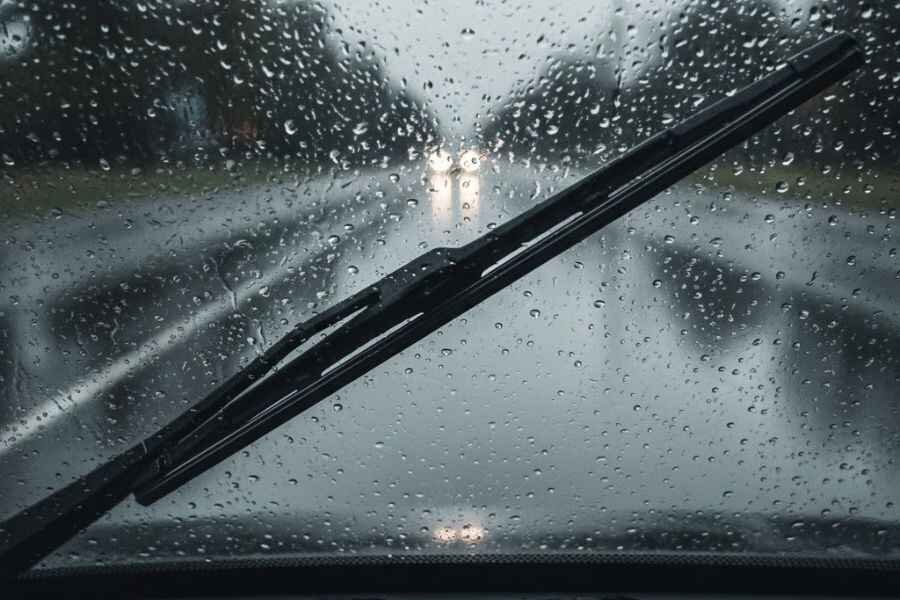
Windshield wipers play a crucial role in heavy rain scenarios today. Quality wiper blades prevent water from pooling on the glass. Worn wipers leave streaks and reduce visibility during storms. Replacing wipers every six months maintains optimal rain protection.
UV Radiation and Windshield Glass Degradation
Ultraviolet radiation damages windshield glass through prolonged sun exposure annually. The sun’s UV rays break down chemical bonds in the glass. This degradation weakens the structural properties of the material slowly. Darker window tinting offers some protection against harmful UV radiation.
Laminated windshield glass provides some UV protection compared to other glass. The polyvinyl butyral layer blocks a significant portion of UV rays. However, extreme sun exposure still causes noticeable damage over years. Desert regions experience more severe UV-related windshield degradation than other areas.
UV damage is often invisible to the naked eye initially. The glass appears fine on the surface but weakens internally. When other stressors occur, UV-damaged glass fails more easily overall. Regular windshield inspection helps identify UV damage before failure.
Parking in shade significantly reduces UV exposure to your windshield. Window shades and covers provide excellent protection during extended parking. Sunroofs and panoramic glass panels experience more UV exposure obviously. Protective coatings can extend the lifespan of windshield glass.
Wind and Flying Debris Impact Patterns
Strong winds don’t directly break windshields but carry dangerous projectiles. Road debris including rocks, gravel, and dirt travels at high speeds. These objects strike windshields and create chips or cracks easily. Highway driving exposes windshields to significantly more debris impact risks.
Dust storms are particularly dangerous for windshield glass integrity overall. Visibility decreases dramatically during severe dust storm conditions. The abrasive particles scratch and wear the glass surface constantly. Fine particles embedded in glass compound damage from other weather.
Flying debris from severe weather events causes unpredictable damage patterns often. Lightning storms with high winds create the most dangerous conditions. Falling branches and tree limbs can shatter windshields completely. Storm preparedness includes parking away from large trees when possible.
Road construction creates additional windshield hazard zones for careful drivers. Trucks carry unsecured loads that shed debris onto roadways frequently. Maintaining distance from these vehicles reduces impact risks significantly. Your safe driving distance should increase during extreme wind events.
Winter Weather Challenges to Windshield Safety
Snow and ice create multiple problems for windshield glass integrity. Accumulating snow adds weight and pressure to the glass structure. Ice buildup along the windshield frame prevents proper opening sometimes. De-icing treatments should be applied carefully to avoid damage.
Using ice scrapers improperly causes chips and cracks in windshield glass. Applying excessive pressure while scraping damages the glass surface. Metal scrapers are more damaging than plastic or rubber tools. Warm water helps melt ice more effectively and safely overall.
The freeze-thaw cycle in winter is particularly destructive to windshields. Water enters small cracks and expands when it freezes solid. This expansion enlarges existing damage and creates new fractures regularly. Multiple freeze-thaw cycles during winter weaken the entire glass structure.
Winter driving accidents occur more frequently due to reduced visibility. Frozen windshields reduce driver visibility and increase accident risks significantly. Keeping windshields clean and clear is essential for winter safety. Anti-fog treatments help maintain visibility during temperature fluctuations.
Hurricane and Tornado Impact on Windshield Glass
Severe tropical storms cause extreme pressure changes affecting windshields. Wind speeds during hurricanes exceed normal operational conditions for glass. The pressure differential between inside and outside creates stress forces. Flying debris becomes projectiles that pierce windshield glass easily.
Tornadoes are among the most destructive weather phenomena affecting vehicles. Rotational winds in tornadoes reach speeds exceeding 200 miles per hour. The extreme pressure and flying debris destroy windshields almost instantly. Tornado safety includes seeking shelter away from vehicles immediately.
Climate change increases the frequency of extreme weather events annually. Scientists predict more severe storms and unusual weather patterns ahead. Windshield damage from extreme weather will likely increase correspondingly. Investing in windshield protection makes economic sense for vehicle owners.
The National Weather Service provides severe weather warnings for your area. Understanding warning systems helps you prepare vehicles appropriately for storms. Installing storm shutters provides additional protection during severe events. Comprehensive insurance coverage is essential in high-risk weather areas.
Strategic Parking and Windshield Protection Strategies
Parking decisions significantly impact windshield exposure to damaging elements. Covered parking protects from hail, UV rays, and extreme temperatures. Avoiding parking under trees reduces falling debris risks during storms. Strategic parking placement extends windshield lifespan over years.
Some visible damage signals when windshield replacement becomes absolutely necessary. Cracks longer than twelve inches require complete windshield replacement. Damage affecting the structural integrity demands immediate professional assessment. Ignoring these signs your windshield needs immediate replacement creates danger.
Garage parking provides the best protection for your windshield glass. Carports offer partial protection during severe weather events. Parking in shaded areas reduces UV exposure throughout the year. Careful placement prevents contact with overhead hazards during storms.
Avoid parking near construction sites with flying debris hazards. Industrial areas generate dust and particles that scratch windshields. Remote locations away from populated areas reduce impact risks. Planning your parking location protects your windshield investment considerably.
Quality windshield repair services should use original equipment manufacturer glass. OEM glass maintains factory specifications and safety standards exactly. Aftermarket glass may not meet safety requirements for your vehicle. Always verify insurance coverage before choosing repair service providers.
Summary and Action Steps for Windshield Protection
Understanding how extreme weather impacts windshield glass helps protect your vehicle. Regular maintenance and inspection prevent costly repairs and replacements. Protective measures reduce damage from all types of weather conditions. Taking action now preserves your windshield for many years ahead.
Your vehicle’s windshield is critical for safety and visibility. Extreme weather poses constant threats to this essential component. Professional maintenance and timely repairs keep you safe. Prioritize windshield care as part of regular vehicle maintenance.
